
Last updated November 4, 2026
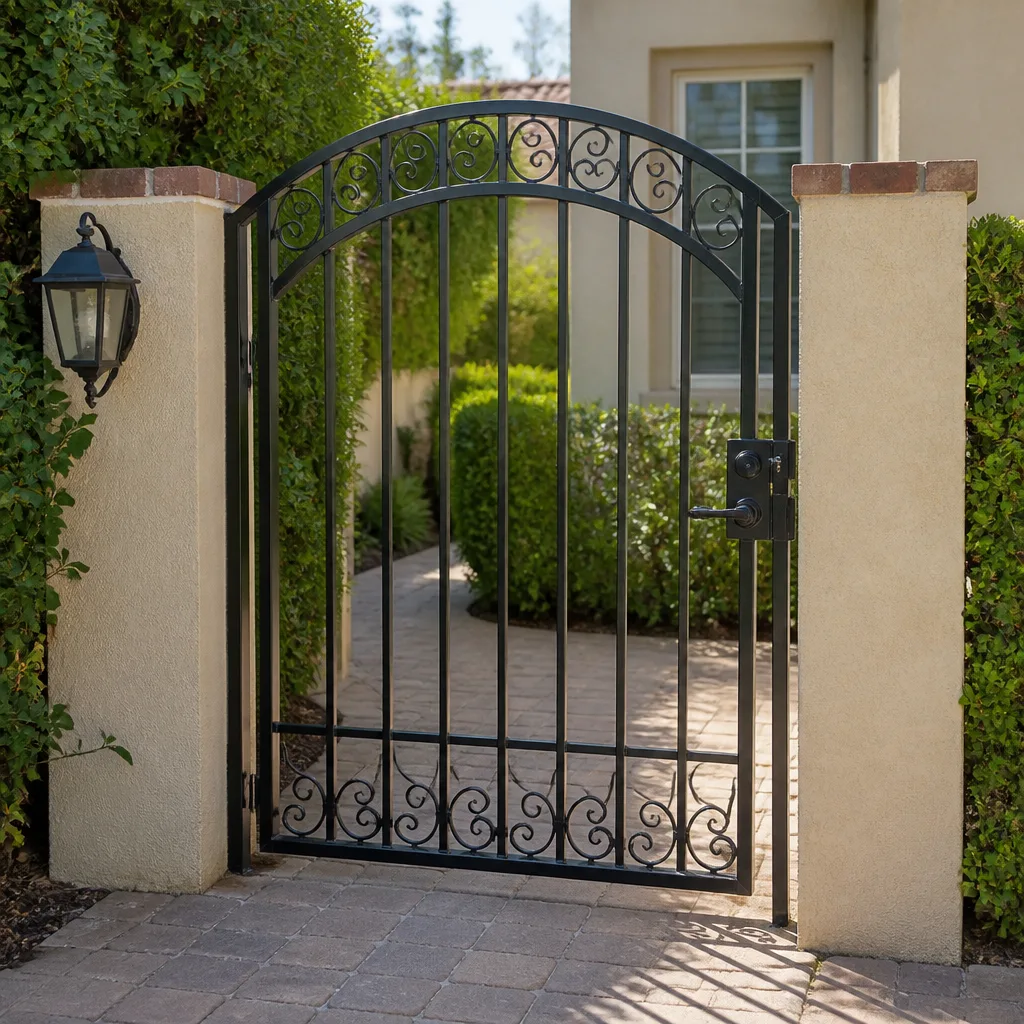 Wrought iron
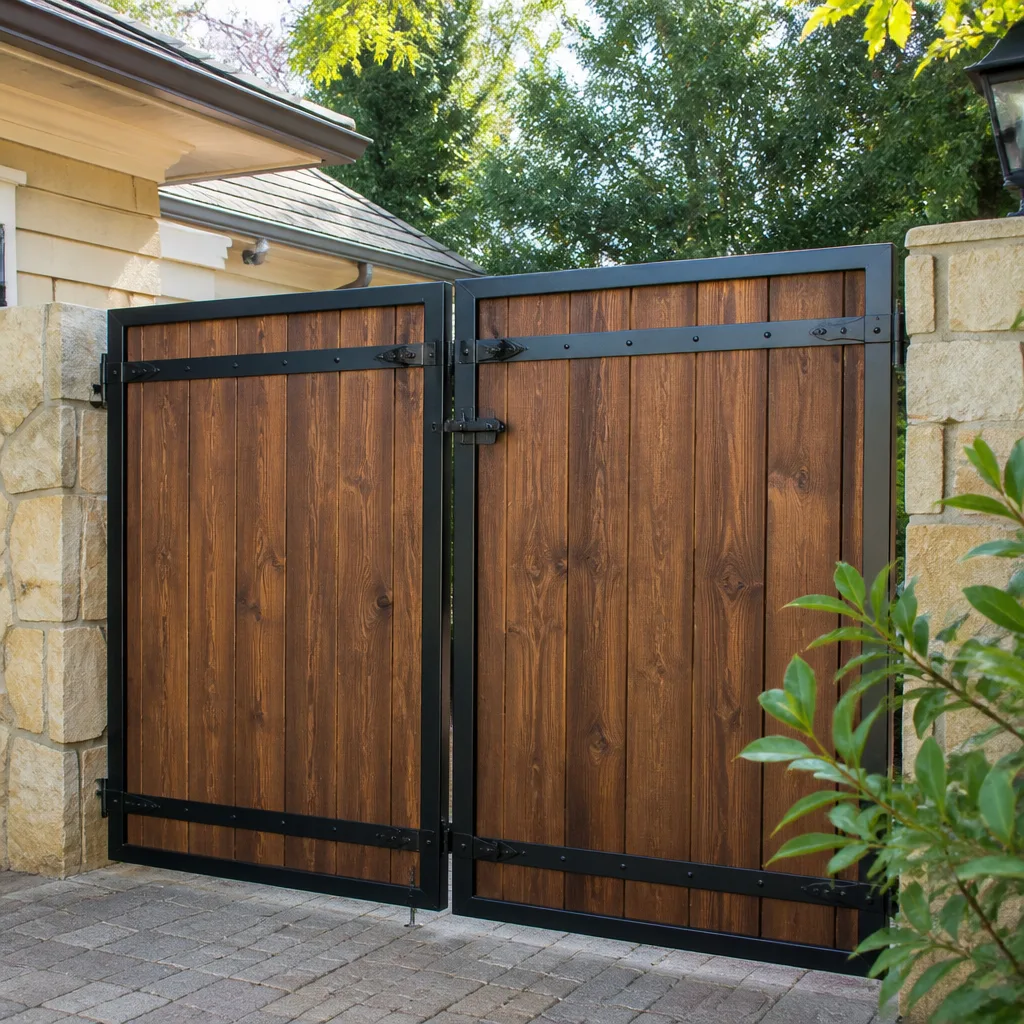 Wood & steel frame
 Farm & ranch
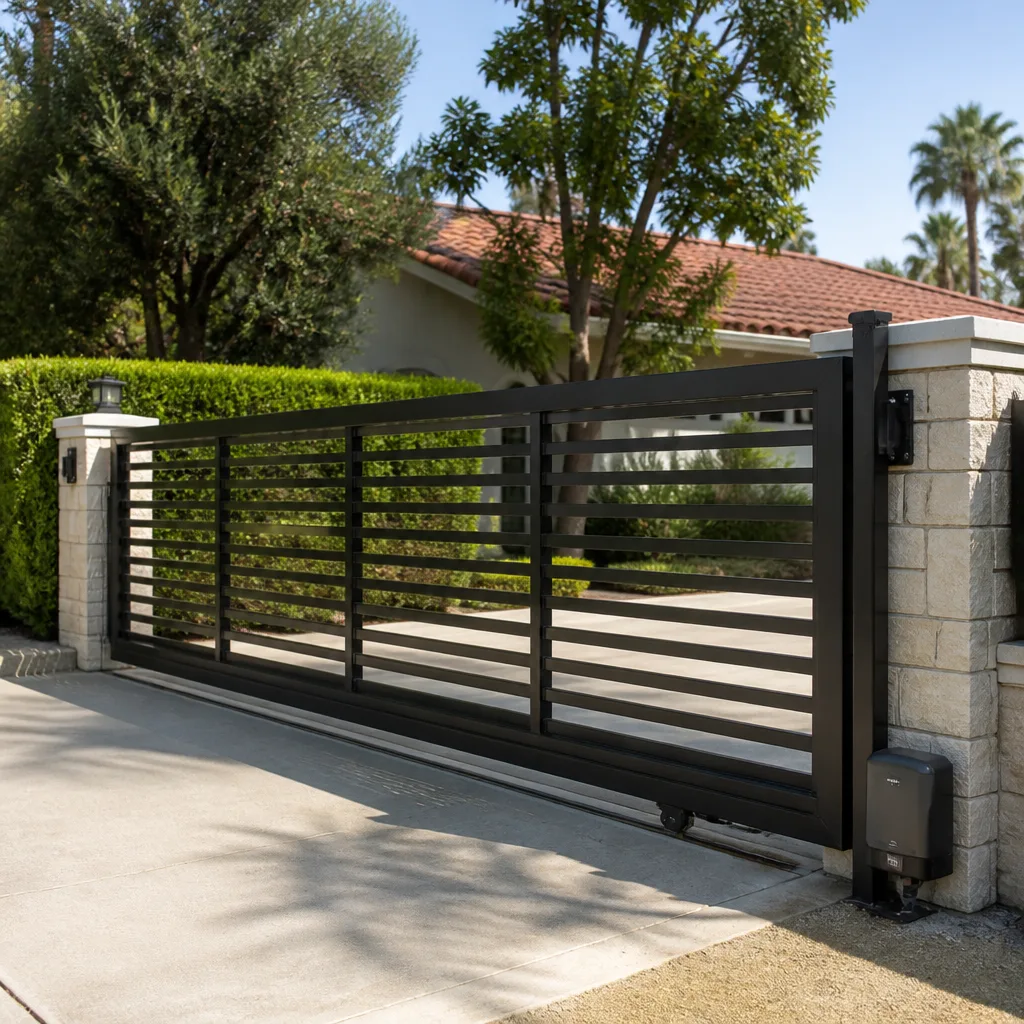 Sliding driveway gates
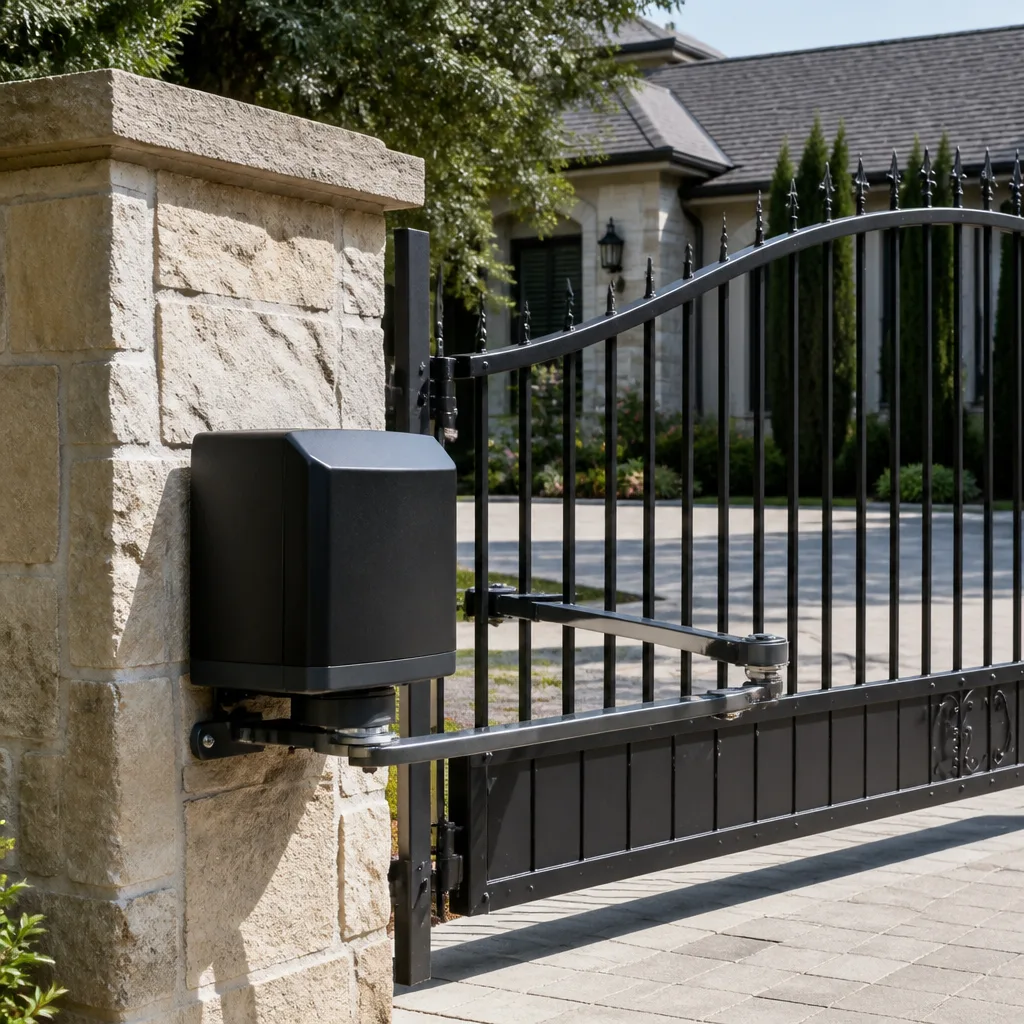 LiftMaster operators
Free on-site gate assessment - hinges, posts, and your LiftMaster or Nice gate operator checked before anything is quoted
The assessment is free and the quote is the invoice.
Get your free estimateSeasonal Gate Repair Care for Murrieta: Year-Round Homeowner’s Guide
Most Murrieta homeowners assume their gate fails in the season when the damage becomes obvious. The gate that won’t close in November didn’t break in November. It started failing in August, when triple-digit heat pushed the limit switch a few millimeters off its setting, and October’s first rain finished the job by swelling a wooden panel that had been quietly absorbing moisture for two months. This guide maps gate maintenance to Murrieta’s actual weather patterns rather than a generic four-season calendar. You’ll learn which components to inspect during each climate phase, what specific failures each phase triggers, and the maintenance tasks that prevent the most common calls we see every fall.
Quick Answer
Seasonal gate care in Murrieta means timing your maintenance to three distinct climate phases: summer dry heat (June through September), Santa Ana wind season (October through January), and winter rain events. Each phase attacks a gate system through a different mechanism. UV exposure degrades photo-eye lenses and causes thermal expansion drift in summer, wind-load stress wears pivot bearings and fills rack channels with debris in fall, and rain drives water into control board enclosures and accelerates corrosion at buried wire splices. A phase-specific inspection routine catches these failures before they strand your gate at the worst possible moment.
Styles & brands we work with
- Wrought iron
- Wood & steel frame
- Farm & ranch
- Sliding driveway gates
- LiftMaster operators
Table of Contents
- Summer Heat Phase: June Through September
- Santa Ana Wind Season: October Through January
- Winter Rain Events: Water Ingress and Corrosion
- Spring Recovery: Post-Rain Inspection Protocol
- Limit Switch Adjustment After Thermal Expansion Season
- Common Mistakes to Avoid
- When to Call a Professional
- Frequently Asked Questions
Summer Heat Phase: June Through September
Murrieta’s summer heat is the most predictable weather pattern we deal with, and it produces three specific failure mechanisms that most homeowners never inspect for. Understanding these mechanisms is the difference between catching a $150 fix in July and replacing a burned-out motor in October.
UV degradation of photo-eye lenses: The photo-eye sensors mounted near the bottom of your gate posts sit in direct sunlight for hours every day from June through September. The polycarbonate lenses in these sensors gradually cloud and micro-crack under sustained UV exposure. A clouded lens scatters the infrared beam, which makes the sensor read intermittent signals. The gate sees this as an obstruction and refuses to close, or worse, starts closing and then reverses unpredictably. Check your photo-eye lenses every 60 days through the summer. If they look hazy or chalky, they need replacement before the beam degrades enough to cause erratic behavior.
Thermal expansion and limit switch drift: Limit switches tell the gate operator when to stop the motor at full open and full closed. These switches are typically mounted on a threaded shaft or cam assembly inside the operator housing. When the ambient temperature swings from 65 degrees at dawn to 105 degrees by mid-afternoon, metal components expand measurably. Over a full summer, this repeated expansion and contraction causes the limit switch setting to drift. The symptom is subtle: the gate stops a quarter inch short of fully closed, or it presses harder against the close stop than it did in spring. Neither seems urgent until the drift accumulates enough that the gate won’t complete its close cycle and the operator faults out.
Motor thermal cutout triggers: Every gate operator motor has a thermal overload protector that shuts the motor down if it gets too hot. In Murrieta’s summer, a motor running inside a sealed metal housing can reach thermal cutout temperature on its own, even without a mechanical problem. But the real issue is when minor mechanical resistance, like a slightly dry bearing or a gate that’s marginally out of square, adds just enough load to push the motor into thermal shutdown. The gate works fine in the morning, then refuses to move at 3pm. If your gate consistently fails during the hottest part of the day, the thermal cutout is doing its job, and the underlying load issue needs diagnosis before the motor burns out for good.
Your summer inspection checklist should include three tasks:
- Inspect photo-eye lenses for clouding or cracking. Clean them with a dry microfiber cloth after inspection.
- Run the gate through a full open and close cycle at mid-afternoon, the hottest part of the day, and listen for any change in motor pitch or speed.
- Check the gate’s closed position where it meets the stop. Note whether it closes fully or stops short.
In our experience working on gates across the Murrieta area, the summer inspection catch rate for these three issues is high. Most operators we open up in October show evidence that thermal expansion drift started in August.
Santa Ana Wind Season: October Through January
Santa Ana winds are uniquely hard on gate systems because they combine three stressors that don’t occur together in most climates: sustained wind load, abrasive dust, and extremely dry air. Each one attacks a different component.
Debris intrusion into rack channels: Slide gates ride on a toothed rack that runs along the bottom of the gate panel. The rack channel, the open space between the rack teeth, is a natural collection point for wind-driven leaves, dust, and small debris. During Santa Ana events, dry vegetation and grit blow horizontally into this channel. When enough debris packs into the rack teeth, the drive gear can’t seat properly, and the gate starts to chatter, hesitate, or stall mid-travel. The debris also acts as an abrasive paste, accelerating wear on both the rack and the drive gear. Clear the rack channel with compressed air after each Santa Ana event, not with water, which turns the dust into a paste that’s harder to remove.
Wind-load stress on swing gate arms and pivot bearings: A swing gate is essentially a large sail. When a Santa Ana wind hits a 14-foot gate panel broadside, the wind load transfers directly to the pivot bearings at the top and bottom hinges, and to the operator arm if you have one. Bearings that were marginal in August fail outright under repeated wind loading. The failure is usually audible first: a groaning or popping sound from the hinge area as the gate moves. If you hear that, stop running the gate until the bearings are replaced. Running a gate on a failed bearing scores the hinge pin, which turns a bearing replacement into a hinge rebuild.
Wireless remote frequency interference from dry-air static: This one surprises people, but it’s real. Extremely dry air, like we get during Santa Ana conditions, reduces the humidity that normally helps disperse static electrical charge. Wireless remotes, keypads, and receiver boards become more susceptible to interference from nearby electrical equipment. The symptom is a remote that works intermittently, or works from one side of the gate but not the other. Before assuming the receiver board is bad, check the antenna wire on the receiver. If it’s coiled tightly inside a metal operator housing, uncoil it and run it straight out through a grommet. In our service work, we’ve solved remote issues during Santa Ana season with nothing more than an antenna reposition.
Your Santa Ana season checklist:
- Clear the rack channel on slide gates after each wind event using compressed air.
- Swing gates: listen for groaning or popping at the hinge area. If present, do not run the gate until bearings are inspected.
- Test remotes and keypads from multiple positions. Note whether failures correlate with nearby equipment running, like pool pumps or air conditioners.
For homeowners with operators from LiftMaster, Linear, or Viking, the limit switch and force adjustment procedures are different, and the failure modes under wind load vary by arm type as well. A specialist who works on multiple brands can diagnose the issue without trial-and-error parts replacement.
Winter Rain Events: Water Ingress and Corrosion
Murrieta’s winter rain pattern is brief but intense. A storm drops a half inch of rain in four hours, then the sun comes out and temperatures climb back into the 60s. This cycles the gate through wet and dry conditions repeatedly, which is harder on electrical and metal components than continuous wetness.
Water ingress into control board enclosures: The control board inside your gate operator is the most vulnerable component in the system. Most operator housings are weather-resistant, not waterproof. The gaskets around the housing door age and shrink, and screw holes that have been opened a few times lose their seal. During a driving rain, water finds its way inside and drips onto the control board. The damage isn’t always immediate. Minerals in the water leave conductive residue on the board, and the next time humidity rises, that residue creates a short. The symptom can appear weeks after the rain event, which is why water damage is easy to misdiagnose as a board that simply failed. Inspect the gasket around the operator housing door every fall. If it’s cracked or flattened, replace it before the first storm.
Corrosion acceleration at buried wire splice points: Most gate systems have low-voltage wire runs buried between the operator, the keypad, the photo-eyes, and the loop detector. When a wire needs to be extended, the splice is supposed to be made in a waterproof junction box or with a gel-filled splice connector. At least half of the buried splices we open up in electric gate repair work are just wire nuts wrapped in electrical tape, buried directly in the soil. That connection survives dry weather for years. During the first winter rain, moisture reaches the splice, corrosion starts at the connection, and the circuit develops resistance. The symptom is intermittent: the gate works fine when the soil is dry, then fails a day after rain. This is a classic rain-related failure pattern.
Swell-related misalignment on wood or composite gate panels: Wood and composite gate panels absorb moisture during rain events. A gate that was perfectly square in October can be slightly out of square by January. That quarter-inch of swell changes the geometry of the gate, which changes how it seats at the close stop and how it rides on its track or hinges. The fix is usually an adjustment, not a panel replacement, but it requires understanding where the movement happened. We typically see movement at the diagonal brace connections, where the fasteners have loosened enough to allow the panel to shift.
Your winter rain checklist:
- Inspect the operator housing gasket and replace if worn.
- After the first rain, run the gate and note any change in operation, especially intermittent failures.
- Check gate panel for out-of-square movement by measuring diagonally from corner to corner, then checking again after a few rain events.
Spring Recovery: Post-Rain Inspection Protocol
Spring in Murrieta is a short window between the last rain and the first real heat. It’s the most useful maintenance window of the year because the soil moisture from winter has stabilized, and before summer heat sets in, you can catch problems while they’re still accessible.
Post-rain inspection protocol for buried components: Once the soil has dried out enough to dig safely, inspect any accessible buried splice points or junction boxes. Look for signs of moisture intrusion, corrosion on wire connections, or damaged conduit. If you find a splice that shows green or white corrosion, it needs to be remade with proper waterproof connectors and heat-shrink tubing, and ideally relocated into a junction box above grade. This is also the time to check the loop detector circuit if you have an automatic opener that responds to vehicles. Loop detector failure often presents as a gate that opens randomly or refuses to open when a car pulls up, and post-rain moisture is the most common trigger.
Re-tensioning gate hardware after soil moisture changes: The ground under your gate posts moves slightly as it goes through wet and dry cycles. Clay-rich soil expands when wet and contracts when dry. This movement shifts gate posts microscopically, which changes the alignment between the gate and its hardware. Gate hinges, latch plates, and track brackets all carry small amounts of tension, and after a full winter of soil movement, some of that tension has shifted. Spring is the time to check every bolt and fastener on the gate, the operator, and the track. We find loose bolts on nearly every gate we inspect after winter, especially on gates installed in areas with expansive clay soil, which describes most of Murrieta’s residential areas.
Your spring recovery checklist:
- Inspect and remake any buried splice that shows corrosion.
- Test the loop detector with a vehicle if you have one.
- Torque every accessible bolt on the gate, operator, hinges, and track.
- Run the gate through a full open and close cycle and note any sound, speed, or stopping changes.
Limit Switch Adjustment After Thermal Expansion Season
This is the task most Murrieta homeowners don’t know exists, and it’s the one that prevents the classic “gate won’t fully close” call we see every fall. Once summer heat has ended and temperatures have stabilized, the limit switches that drifted during thermal expansion season need to be re-checked.
The limit switch tells the operator where the gate should stop. On most operators, including LiftMaster, Linear, and FAAC units, the switch is a mechanical component inside the operator housing. Thermal expansion during summer pushes the switch setting slightly off its spring position. When the gate stops short of fully closed, the operator thinks the gate is fully closed, and the close cycle completes without the gate actually seating against the stop. That leaves a gap at the close point, which is both a security issue and a common reason an automatic gate beeps or faults.
The adjustment procedure varies by brand:
- LiftMaster: The limit switch adjustment is typically a pair of slotted screws or a single rotary cam inside the operator. Opening the housing reveals a diagram of the close and open limit adjustments.
- Linear: Linear operators use a similar rotary cam or a magnetic limit assembly depending on the model. The adjustment is mechanical, not digital.
- FAAC: FAAC operators, especially commercial models, often have limit switches mounted on a threaded rod. The adjustment involves loosening a set screw and rotating the switch cam.
This is a task a skilled homeowner can do on a residential operator, but if you’re checking a gate repair issue on a commercial-grade operator or you’re not confident working inside an electrical enclosure, this is a job for a professional. The operator housing contains line voltage wiring, and a mistake inside the housing can cause a short or a shock. We always recommend turning off the breaker to the operator before opening the housing, and testing the operation only after the housing is closed again.
Common Mistakes to Avoid
- Ignoring a gate that stops a quarter inch short of closed. That quarter inch is limit switch drift from thermal expansion, and it compounds through the summer. By fall, the gate won’t close enough to trigger the close limit, and the operator faults out.
- Clearing rack channel debris with water. Water turns the dust and grit into an abrasive paste that wears the rack teeth faster than leaving the debris alone. Use compressed air or a dry brush.
- Assuming a failed control board is a manufacturing defect. In Murrieta’s rain pattern, most control board failures we see are water damage from a compromised enclosure gasket that went unnoticed for months.
- Running a swing gate on a failing bearing during Santa Ana winds. The wind load on a gate with a bad bearing scores the hinge pin permanently. That bearing replacement becomes a hinge rebuild that costs several times more.
- Postponing the spring inspection because the gate works fine. Gates fail silently. The corrosion at a buried splice or the loosened bolts on a hinge don’t announce themselves until they fail, usually at the worst time.
- Replacing the remote when the receiver antenna is the problem. Dry-air static during Santa Ana season causes intermittent remote failures that a new remote won’t fix. Check the antenna before spending money on parts.
When to Call a Professional
Some gate maintenance tasks are homeowner-friendly: cleaning photo-eye lenses, clearing rack debris, checking for loose bolts. Others are not. If the gate is making a groaning sound from the hinge or track area, stop running it and call a specialist. If the operator housing shows evidence of water inside, have a professional open it up. If the gate fails only during certain weather conditions, the root cause is likely a component that requires diagnosis, not a part that can be swapped without knowing what to look for. Working inside an operator housing involves line voltage, and a mistake there is dangerous and expensive.
Gate Repair Murrieta offers free estimates in Murrieta. Call (855) 817-0665 and describe what the gate is doing. We’ll tell you whether it’s something you can handle yourself or whether it needs a service visit. We answer 24/7. Fast dispatch from 7am to 7pm, Sunday through Friday.
Frequently Asked Questions
Inspect your gate at the start of each climate phase: once in late spring before summer heat, once in early fall before Santa Ana winds, once during the winter rain periods, and once in late winter as a post-rain recovery check. That’s four checks per year, each focused on the failure mechanisms specific to that phase.
The most common fall failure we see in Murrieta is a gate that stops short of fully closing, caused by limit switch drift from summer thermal expansion. The switch setting shifts over the hot months, and by October the gate won’t seat enough to complete the close cycle. It’s easily fixed with a limit switch adjustment, but it’s almost never the thing a homeowner checks first.
On many residential operators from LiftMaster, Linear, or Viking, the limit switch is a mechanical adjustment inside the operator housing. A confident homeowner can do it by following the diagram inside the housing, but the housing contains line voltage wiring, so the breaker must be off before you open it. If you’re not comfortable working in an electrical enclosure, have a gate specialist handle it.
That pattern usually points to a buried wire splice that’s losing connection as the soil contracts. When the ground is wet, the connection has enough conductivity to work. When it dries out, the gap between the wire and the splice connector widens enough to cause resistance. The splice needs to be opened, inspected, and remade with waterproof connectors.
Santa Ana winds bring extremely dry air, which allows static charge to build up and interfere with wireless remote signals. The receiver antenna may also be coiled inside the operator housing where signal reception is degraded. Repositioning the antenna often resolves the issue. If the problem persists, the receiver board itself may need replacement.
Yes. Wood and composite gates absorb moisture during winter rain, which causes the panel to swell slightly and shift out of square. Metal gates don’t absorb water but are more vulnerable to thermal expansion in summer. Wood gates need post-rain squareness checks and re-torquing of connection hardware. Metal gates need limit switch checks after summer heat and rack channel clearing after wind events.
For any seasonal gate maintenance in Murrieta, call (855) 817-0665 for a free estimate. We answer 24/7. Fast dispatch from 7am to 7pm, Sunday through Friday.
The Bottom Line
Murrieta’s gate failures follow the weather, not the calendar. Summer heat drives UV damage, thermal expansion, and motor thermal cutouts. Santa Ana winds load hinges to failure, pack rack channels with debris, and scramble wireless signals. Winter rain gets into enclosures and buried splices, and accelerates corrosion that started months earlier. Spring is when you catch it all before the cycle starts again. Four focused inspections per year, each targeting the failure mechanisms of that specific climate phase, will prevent most gate failures before they happen. If one does happen anyway, Gate Repair Murrieta is the specialist to call.
Written by the team at Gate Repair Murrieta, serving Murrieta since 2013.
See the difference
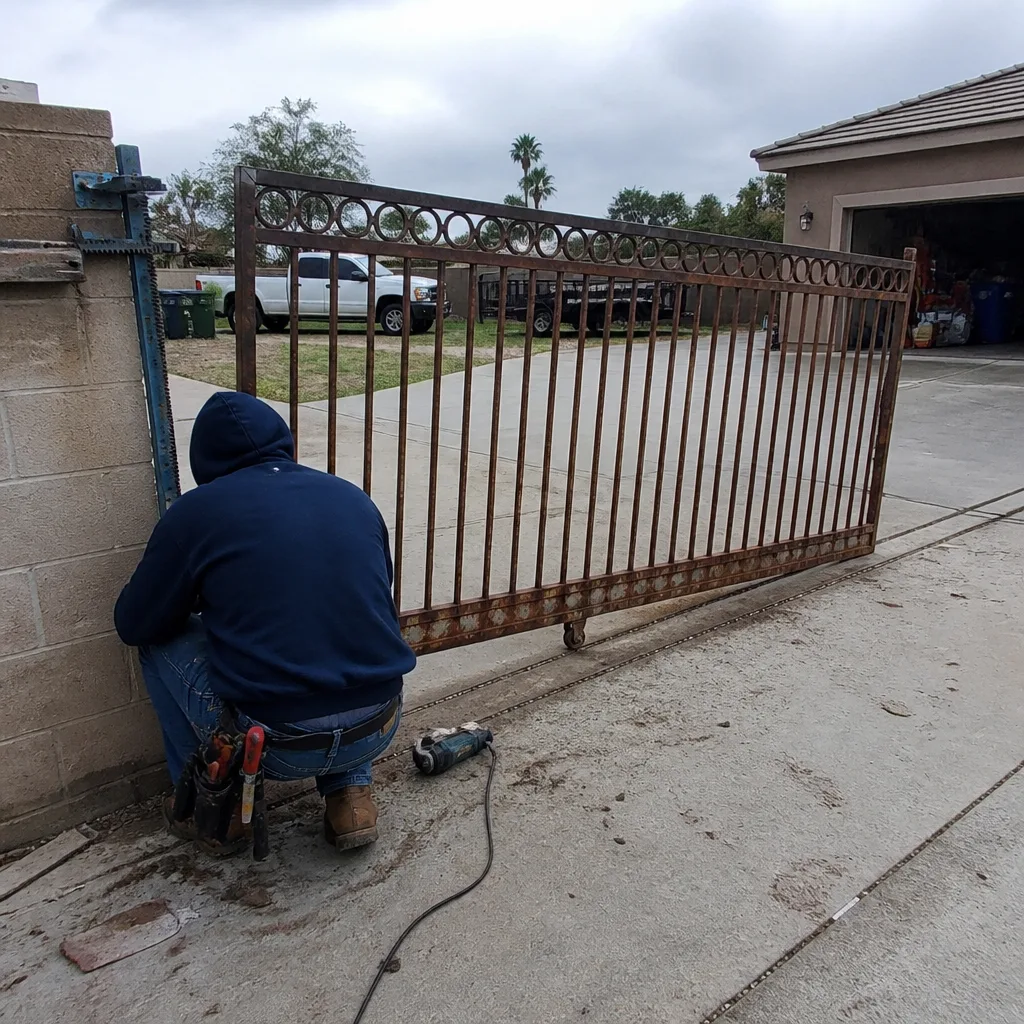 Before
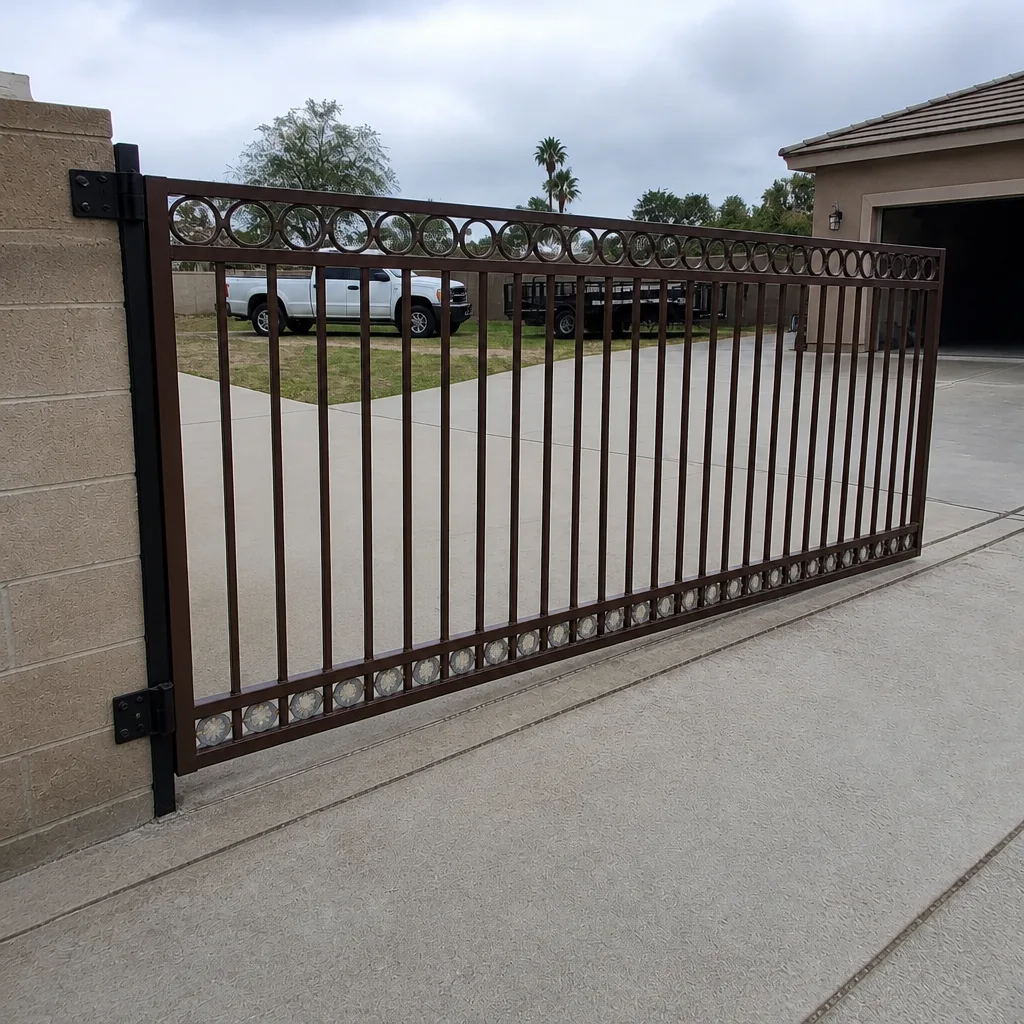 After
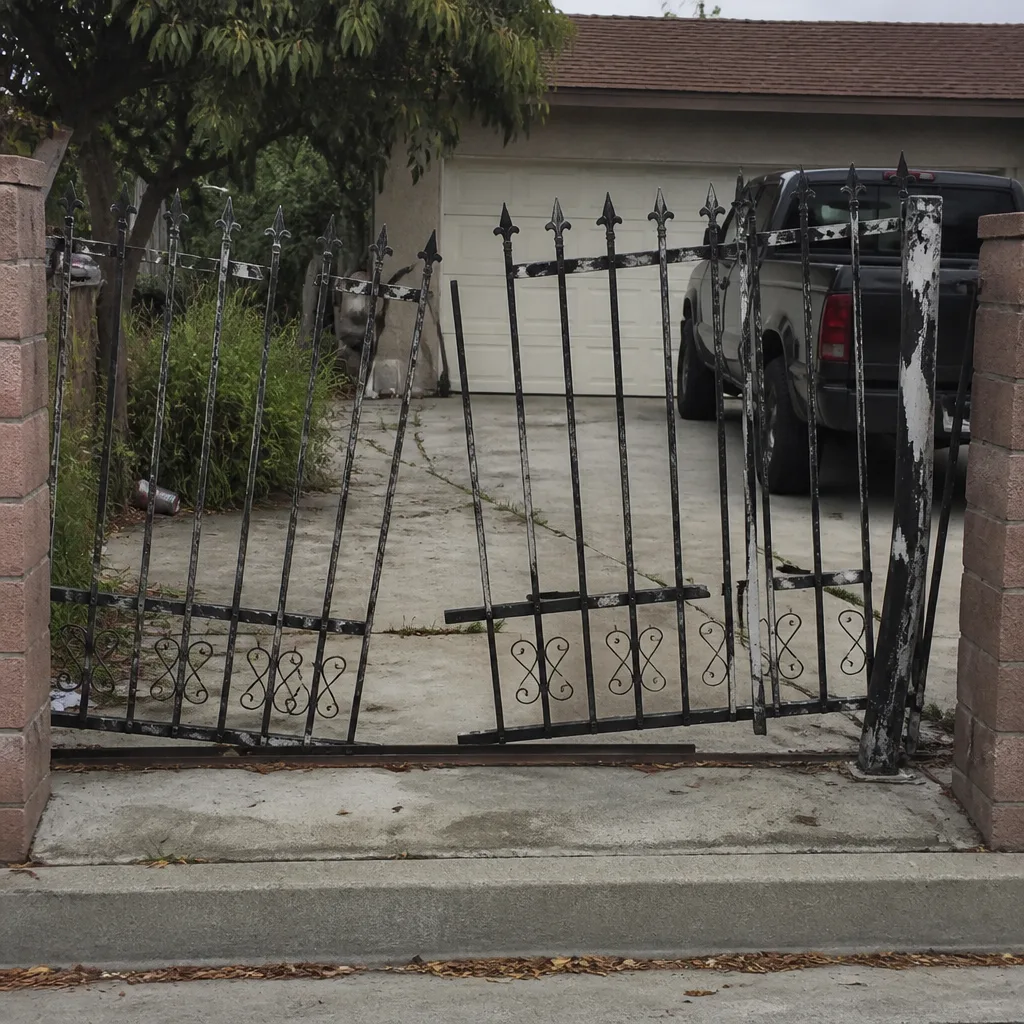 Before
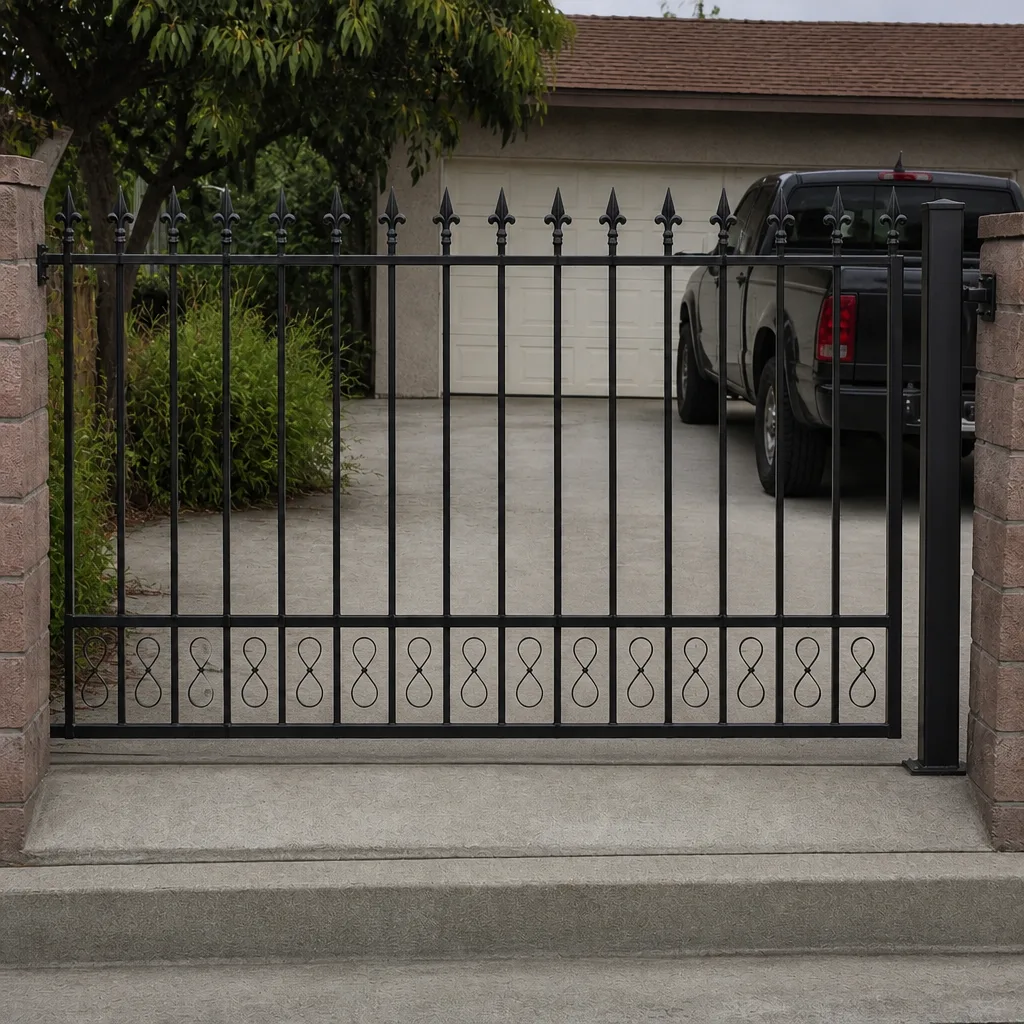 After
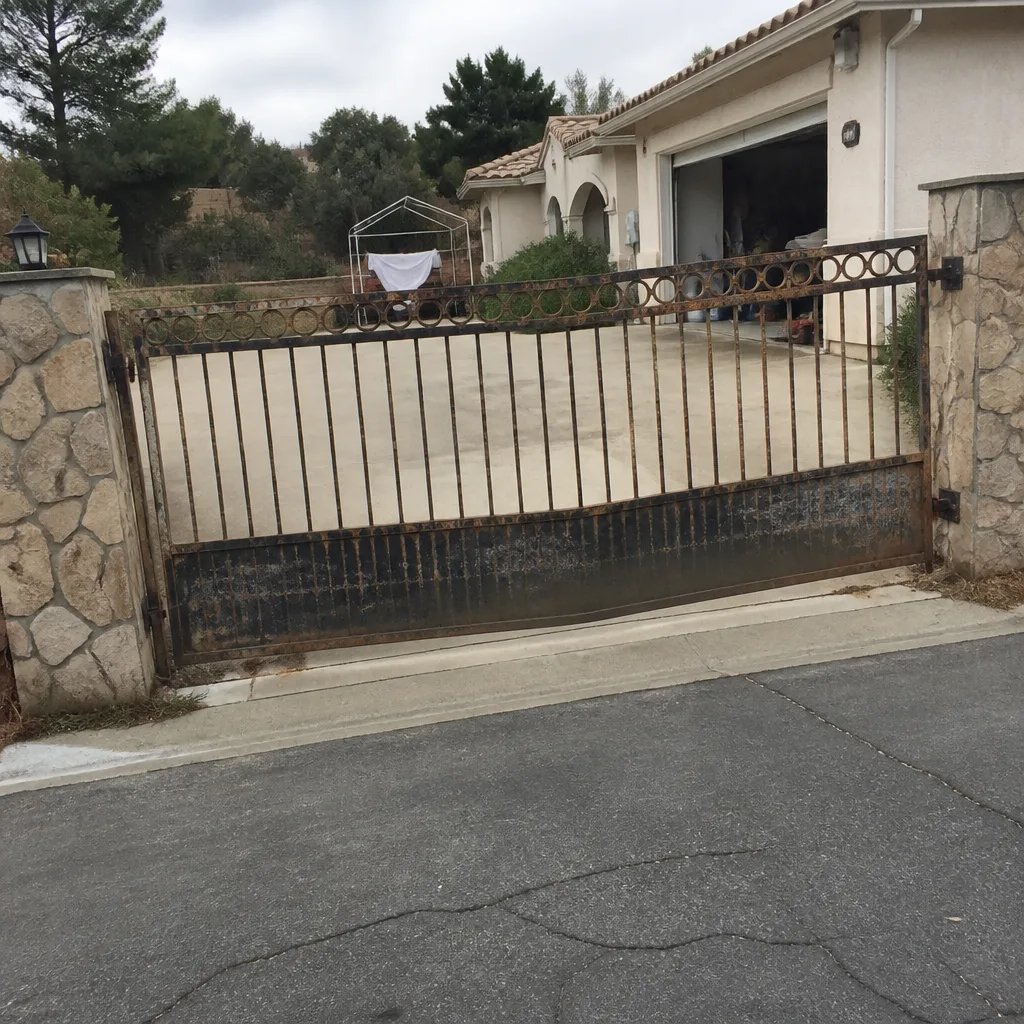 Before
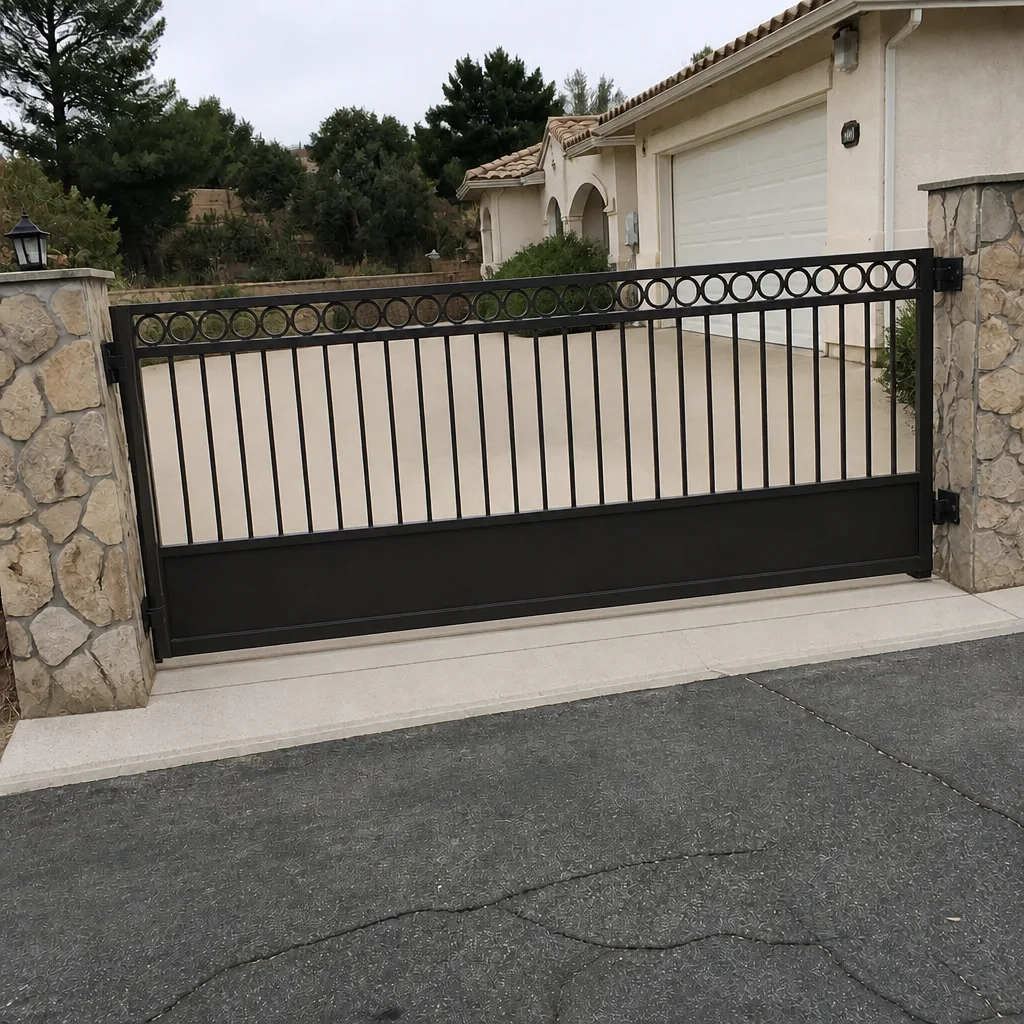 After